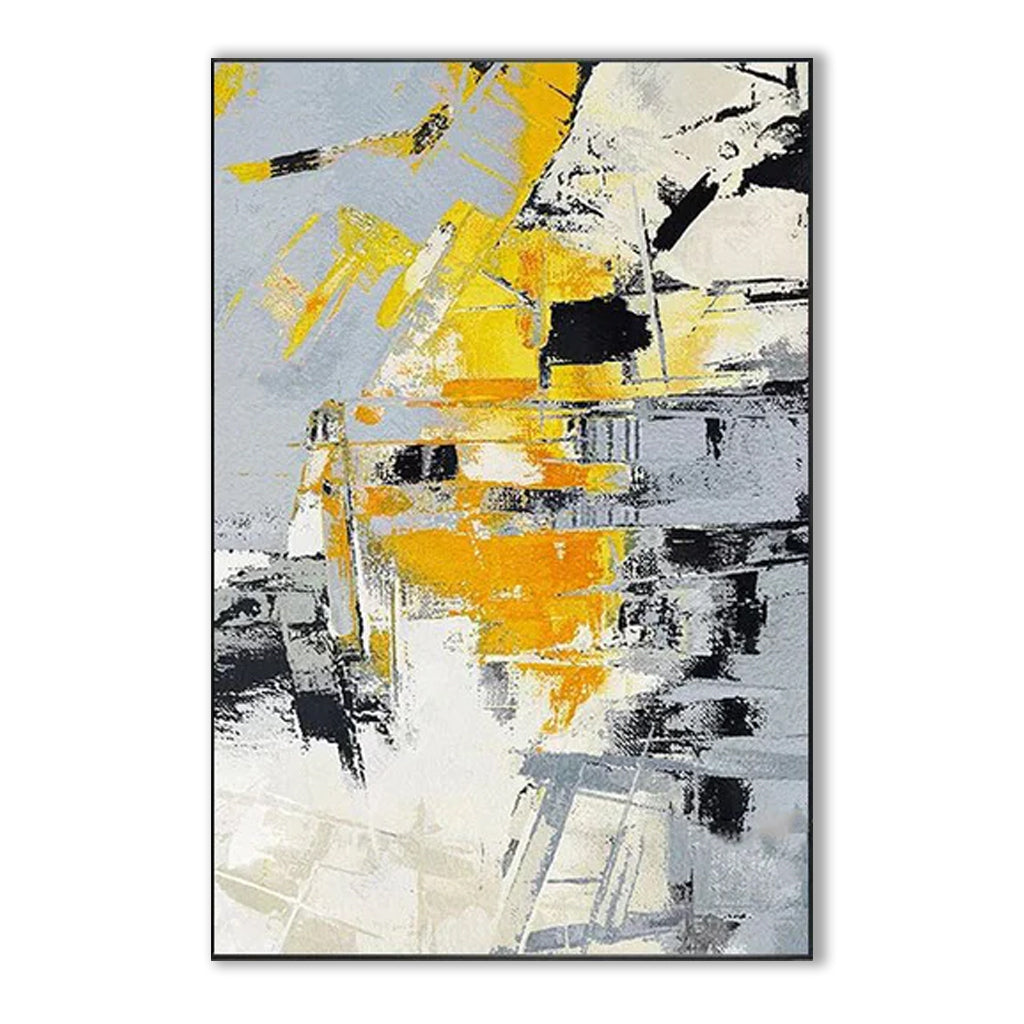
Frida Kahlo art prints alternative options are best suited for design-conscious homeowners and interior professionals who want the emotional intensity of Kahlo’s imagery without relying on flat reproductions. In high-end spaces, textured, hand-painted figurative works offer more presence and material depth. The trade-off is that they require thoughtful placement, lighting, and scale selection to fully achieve their impact.
The fascination with Frida Kahlo often begins with color—saturated reds, botanical greens, symbolic contrasts—and deepens into something more personal: resilience, identity, and introspection. But when these qualities are reduced to printed posters, much of that emotional weight disappears. For refined interiors, especially private bedrooms, dressing rooms, or creative studios, the question is not how to replicate Kahlo, but how to translate her intensity into a contemporary visual language.
One of the most compelling directions is through luxury modern figurative painting, where silhouette, gesture, and texture replace literal portraiture while preserving psychological depth.
Why flat prints fall short in high-end spaces
Printed reproductions—whether on paper or canvas—tend to compress visual information into a single plane. This works in casual or temporary settings, but in architecturally considered interiors, it often creates a disconnect.
-
Flat surfaces absorb light evenly, limiting shadow play.
-
Color appears uniform rather than layered or reactive.
-
The artwork does not evolve visually throughout the day.
In contrast, hand-painted works with visible brushwork or palette knife application introduce subtle shifts as light moves across the surface. This dynamic quality becomes especially important in rooms designed for long-term use, such as master suites or private studios.
Translating Kahlo’s spirit into modern figurative form
Rather than imitating Kahlo’s likeness, contemporary figurative art captures her essence through abstraction of the human form.
-
Bold silhouettes can echo strength and identity without literal facial detail.
-
Fragmented or layered compositions reflect emotional complexity.
-
Controlled color tension—warm against cool, muted against saturated—creates psychological resonance.
This is where contemporary bold silhouette wall decor becomes relevant. It allows the viewer to project meaning rather than consume a predefined narrative, which often feels more aligned with modern interior design.
The role of texture and physical depth
Texture is not decorative—it is structural to how the artwork communicates.
Heavy impasto techniques build raised surfaces that:
-
Catch directional light and create natural shadowing.
-
Add a sculptural quality to otherwise flat walls.
-
Reinforce the sense of permanence and material presence.
In rooms with soft, diffused lighting, texture adds quiet richness. Under directional lighting—such as track lights or side lamps—it becomes dramatic, with ridges and grooves casting shifting shadows throughout the day.
This self-shadowing effect is something printed art cannot replicate, no matter how high the resolution.
Where these alternatives work best
Certain interior settings amplify the value of textured figurative work:
-
Master bedrooms: Positioned above the bed, a vertically oriented piece can echo the human form and create intimacy.
-
Walk-in closets: Smaller but expressive works add personality without overwhelming the space.
-
Private studios: Emotional, gestural paintings reinforce creativity and introspection.
Scale matters. A common mistake is choosing artwork that is too small relative to the wall or furniture. As a guideline, artwork above a bed or console should span roughly two-thirds to three-quarters of the furniture width to feel anchored.
Material and format decisions that affect the result
Choosing between formats is not just aesthetic—it changes how the piece interacts with the room.
-
Gallery-wrapped canvas: Offers a clean, modern look with no visible frame; works well in minimalist or contemporary interiors.
-
Framed canvas: Adds structure and can tie into existing wood or metal finishes in the room.
-
Textured oil painting: Provides tactile depth and variation; ideal for spaces where lighting can highlight surface detail.
A premium hand-painted emotional canvas may show slight variations in brushwork and texture. This is not a flaw—it is part of what gives the piece individuality.
Common mistakes when replacing Frida Kahlo prints
When transitioning from prints to more elevated alternatives, several issues tend to appear:
-
Choosing based on color alone: A palette match without considering composition or emotional tone can feel superficial.
-
Ignoring lighting: Textured works need angled or layered lighting to reveal their depth.
-
Hanging too high: Art should visually connect to furniture, not float disconnected above it.
-
Overly literal choices: Direct imitations of Kahlo often feel less sophisticated than interpretive works.
-
Expecting uniformity: Hand-painted works naturally vary; expecting machine-like consistency can lead to disappointment.
Being aware of these helps ensure the final result feels intentional rather than decorative.
How IrisLee Gallery approaches modern figurative alternatives
IrisLee Gallery positions its modern figurative collection around emotional abstraction and material presence rather than replication. The works emphasize gesture, layered color, and dimensional surface techniques that align with contemporary interiors.
Because each piece is hand-painted, the outcome carries subtle variations in tone and texture. For designers and homeowners, this creates a more personal connection compared to standardized prints, especially in spaces meant to feel private and expressive.
Frequently Asked Questions
Are textured paintings better than Frida Kahlo art prints?They are not universally better, but they are more suitable for high-end interiors where depth, light interaction, and material presence matter.
Do modern figurative paintings still capture emotional intensity?Yes, often more effectively. By avoiding literal depiction, they allow broader interpretation and can feel more personal within a space.
How do I choose the right size for a bedroom wall?The artwork should typically cover 60–75% of the width of the bed or furniture beneath it to maintain visual balance.
Will heavy texture make a room feel too busy?Not if the composition is controlled. Minimal palettes with strong form can balance texture without overwhelming the room.
Do hand-painted artworks require special care?They benefit from stable indoor conditions, gentle handling, and avoiding direct harsh sunlight. Texture may also influence how dust is cleaned, so light maintenance is recommended.
For those seeking a more dimensional and emotionally resonant alternative, the shift away from prints is less about trend and more about aligning material, light, and meaning within a space. Discover the intersection of emotional depth and physical dimension—explore our Full Texture Catalog.