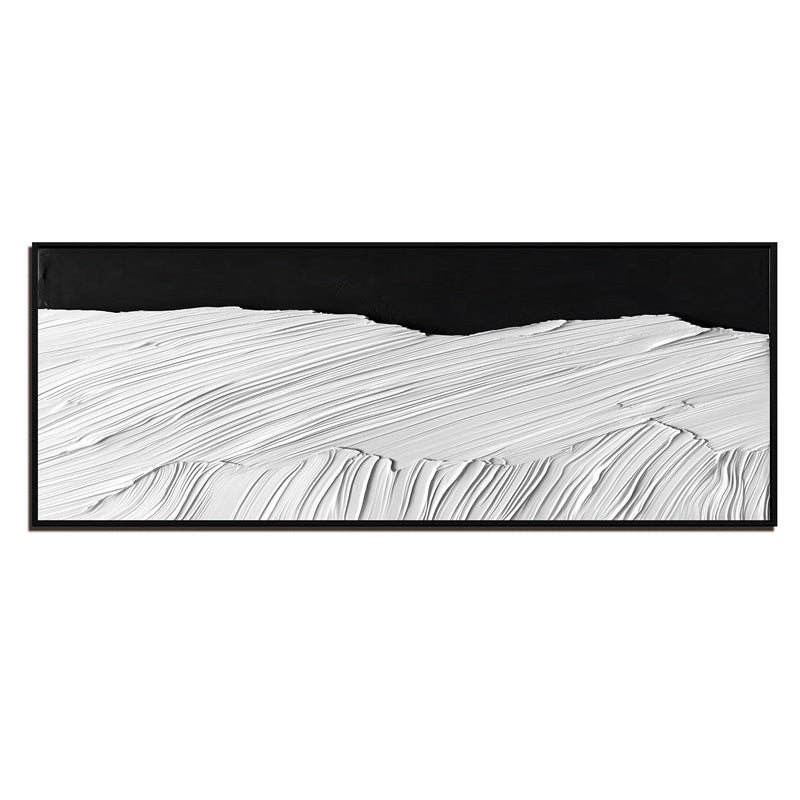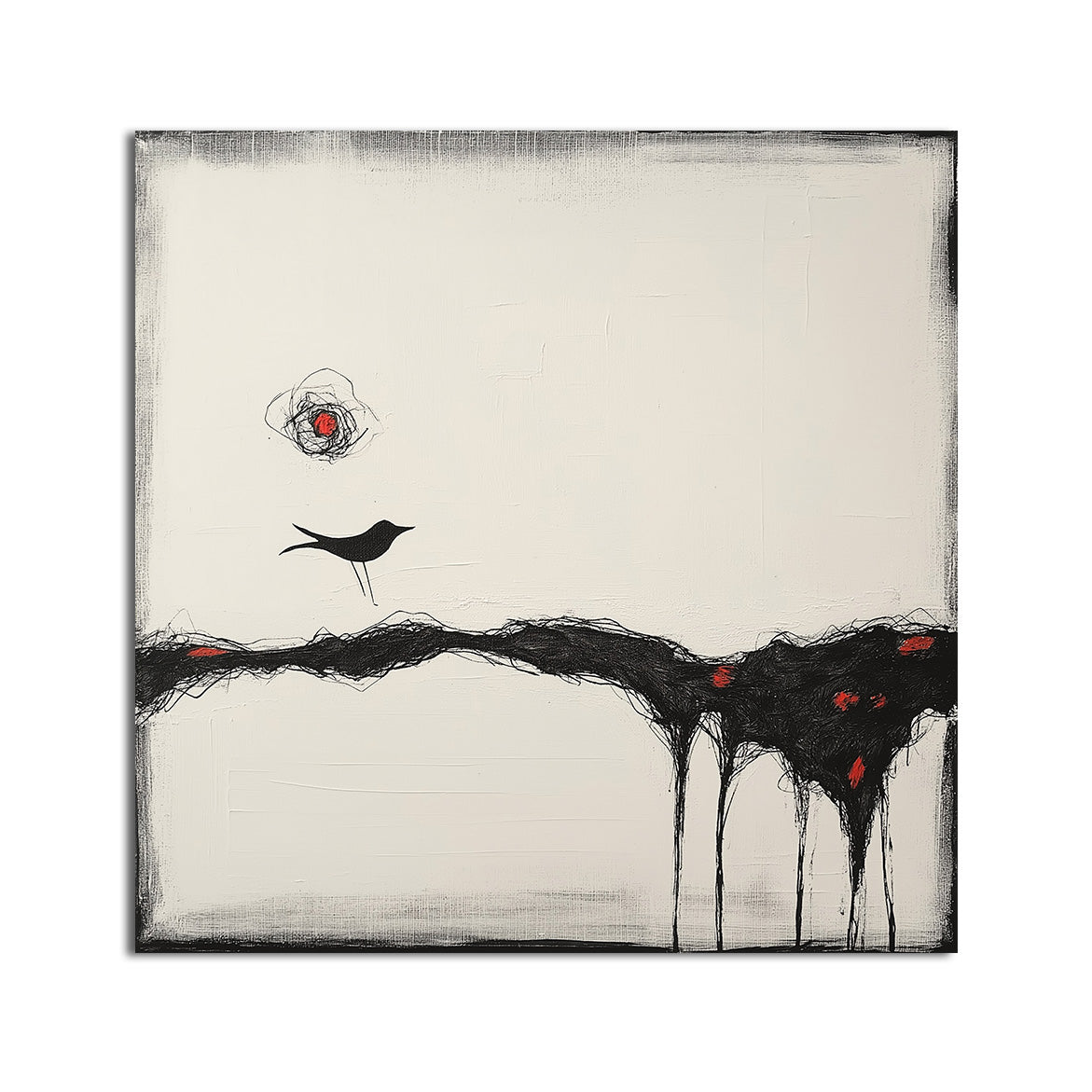

Art abstract faces work best when a room needs emotion without the literal presence of a traditional portrait. They suit living rooms, creative studios, hallways, and modern apartments where the wall should feel human but not overly personal. The main limitation is scale: a face-based abstract painting can feel powerful, so it needs room to breathe.
For buyers who like figurative energy but do not want a realistic portrait looking back at them, abstract faces offer a useful middle ground. They can suggest mood, memory, movement, or conversation while still behaving like contemporary wall art.
Why abstract faces feel different from regular portraits
A traditional portrait usually asks the viewer to notice identity. Art abstract faces ask the viewer to notice expression, rhythm, color, and the tension between recognition and mystery. A line may hint at an eye, a curve may imply a cheek, and layered color can carry the emotional weight that a realistic face would normally carry.
This makes abstract face art flexible for interiors. It can warm up a minimalist living room, add edge to a hallway, or give a home office a more personal atmosphere without feeling like family photography or formal portraiture.
Where abstract face art works best
The strongest placements are walls where people pause: above a console, beside a reading chair, at the end of a hallway, or across from a sofa. A face-based work has a natural presence, so it should not be squeezed between too many small frames.
- Above a sofa, choose a horizontal or large square piece that relates to the furniture width.
- In an entryway, a vertical painting can create a composed first impression.
- In a studio or office, expressive brushwork can make the room feel less sterile.
- For a gallery wall, let the abstract face become the visual anchor instead of one more small accent.
How to choose color and expression
Color changes the entire reading of an abstract face. Warm reds, ochres, and pinks can feel intimate or theatrical. Black, ivory, and gray can feel editorial. Blue or green undertones often make the face quieter and more contemplative.
Expression matters too, even when the face is distorted. A tilted head, closed eyes, or fragmented profile can feel calm, while sharp contrast and broken lines can make the work feel urban or restless. IrisLee Gallery's abstract and portrait-related works are most useful when buyers choose by room mood first, not only by the subject.
Original oil painting versus printed abstract face art
Printed art can be clean and accessible, but an original oil painting has surface variation that changes under light. Brushwork, texture, and small differences in color can make an abstract face feel more alive. That does not make one format automatically better; it means the buyer should decide whether the room needs crisp graphic clarity or tactile presence.
For a refined interior, a hand-painted surface can help the wall feel collected rather than decorated in a hurry. The difference becomes most visible in rooms with side lighting, where texture and layered paint catch shadows.
Mistakes that make abstract faces hard to live with
The most common mistake is choosing a piece that is too intense for the room's existing visual density. If the furniture already has bold pattern, strong sculpture, or colorful rugs, a highly fragmented face can compete. Another mistake is buying too small. Small abstract faces can feel awkward on a wide wall because the subject has presence but not enough scale.
Also avoid hanging the work too high. Face-based art should usually relate to seated eye level or to the furniture it anchors, otherwise it can feel disconnected from the room.
A practical buying checklist
- Does the expression support the room mood?
- Is the canvas large enough for the wall and furniture below it?
- Does the palette repeat or intentionally contrast with the room?
- Will side lighting enhance texture or create glare?
- Does the work feel human without becoming too literal for the space?
Frequently Asked Questions
Is art abstract faces good for a living room?
Yes, abstract face art can work very well in a living room when the scale and mood match the seating area. Choose a larger canvas for a sofa wall and a quieter expression if the room is already visually busy.
Should abstract face art be colorful or neutral?
It depends on the role of the wall. Colorful work can become the focal point, while neutral abstract faces are easier to layer into minimalist or black-and-white interiors.
Is an abstract face painting too personal for a shared space?
Not usually. Because the face is interpreted rather than realistic, it can feel expressive without behaving like a formal portrait of a specific person.