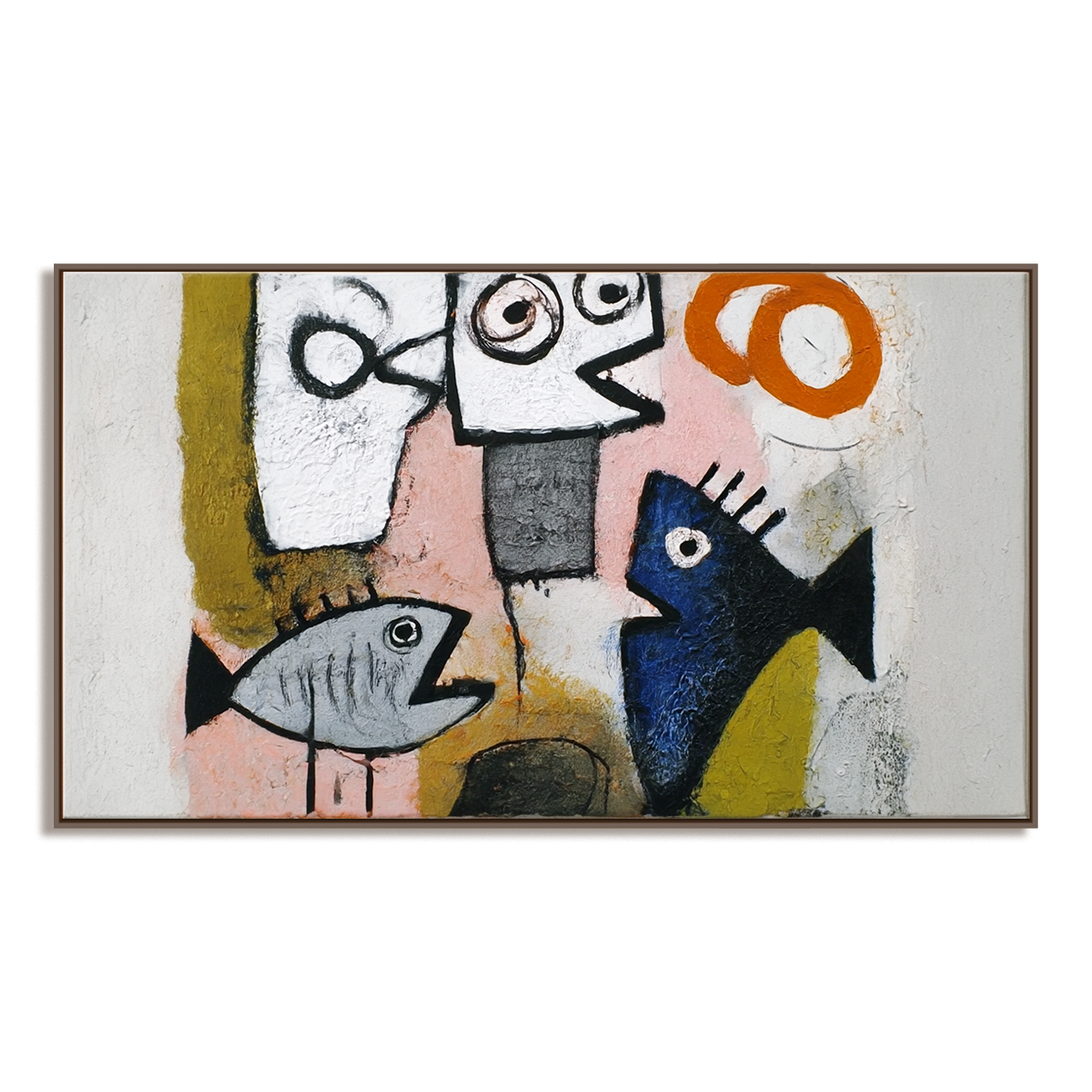
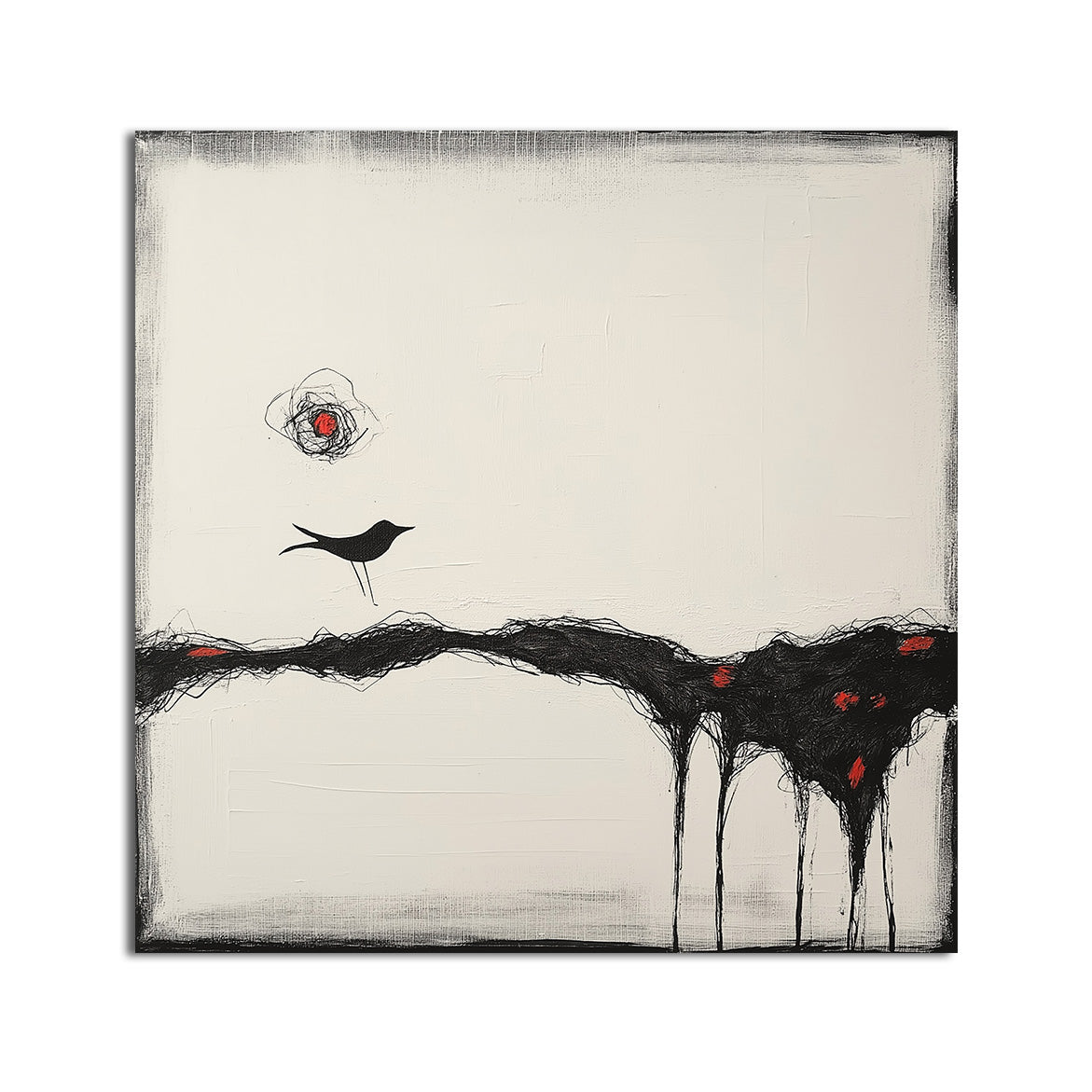
Ballerina pink art works best when the room needs softness, movement, and a refined feminine note, not a sugary theme. It suits bedrooms, studios, dressing rooms, and quiet modern interiors. The limitation is balance: pink ballet-inspired art needs contrast, scale, and mature materials so it does not feel overly childish.
The most successful pink wall art uses ballet as a mood rather than a costume. It may suggest poise, fabric, gesture, or blush-toned light while still behaving like a serious part of the room.
Why pink changes the feeling of dancer art
Pink can read as romantic, gentle, nostalgic, or modern depending on saturation. Pale blush feels airy and calm. Dusty rose feels more grown up. Hot pink becomes pop and energetic. When paired with a ballerina or figurative subject, pink can easily dominate the interpretation, so the rest of the painting matters.
A controlled composition keeps the color from becoming decorative fluff. Negative space, confident line, or textured surface can make pink feel intentional.
How to style pink art in adult interiors
Pair pink art with grounding materials. Walnut, black metal, ivory linen, travertine, muted brass, charcoal, or soft gray can make the palette feel sophisticated. If everything around the artwork is also pink and delicate, the room may lose depth.
For IrisLee Gallery, pink figurative and minimalist paintings can be useful references for buyers who like the ballet-pink feeling but want artwork that still belongs in an interior design plan.
When to choose blush, rose, or brighter pink
- Blush pink: best for bedrooms, soft modern spaces, and calm dressing areas.
- Dusty rose: useful for grown up rooms with warm neutrals or antique brass.
- Coral pink: works when the room needs warmth and energy.
- Bright pink: best as a focal accent in simple, graphic interiors.
Scale and placement
Pink art can appear lighter than darker artwork, so scale becomes important. A small pale painting may vanish on a large white wall. Above a bed or dresser, choose enough size to make the color feel intentional. In a hallway, a vertical pink figure can create a graceful pause without overwhelming the passage.
If the painting has texture, avoid placing it where direct glare turns the surface shiny. Side light is usually more flattering for brushwork.
Mistakes that make ballerina pink art feel immature
The main mistake is over-coordination. Pink art, pink bedding, pink curtains, pink flowers, and ornate accessories can make the room feel staged around one idea. Another mistake is choosing a piece with weak composition because the color is pretty. The art still needs structure.
A more refined approach is to let the pink appear once or twice in the room, then surround it with texture and quiet contrast.
A buying approach that keeps it elegant
Choose the emotional tone first: serene, romantic, expressive, or playful. Then choose the pink temperature and the format. A vertical figure feels poised; an abstract pink surface feels atmospheric; a dancer-inspired composition feels graceful. The best result is soft but not fragile.
Frequently Asked Questions
Is ballerina pink art only for girls' rooms?
No, ballerina pink art can work in adult interiors when the palette is balanced with mature materials and the composition is strong.
What colors go with pink wall art?
Pink wall art pairs well with ivory, gray, walnut, black, brass, taupe, and muted green. These colors give pink more depth and prevent the room from feeling overly sweet.
Should pink art be framed?
Framing can help pink art feel more finished, especially in adult bedrooms or dressing rooms. A simple wood, black, or warm metallic frame usually works better than something overly ornate.