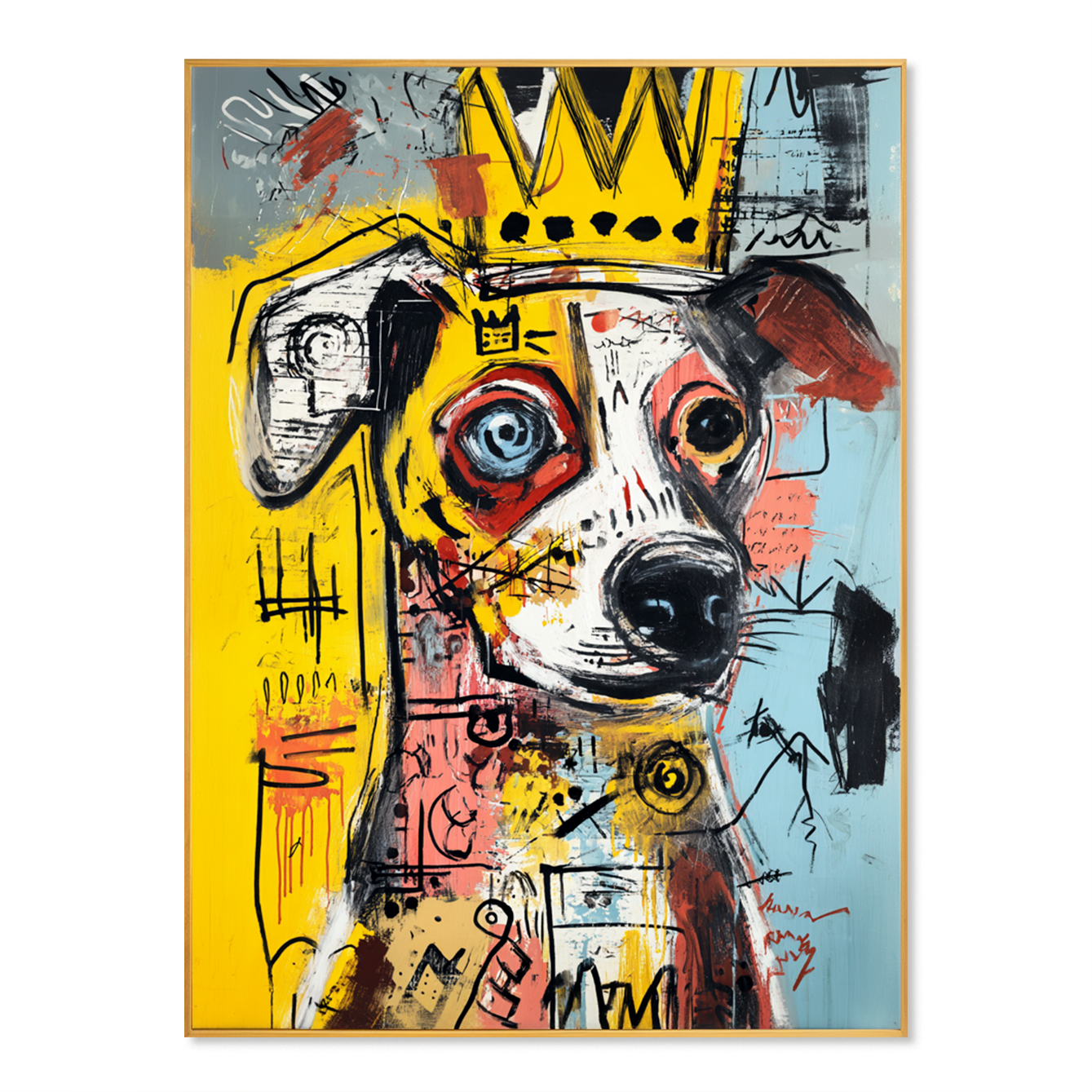
Bear art is best for interiors that need a sense of protection, nature, and quiet strength without becoming rustic by default. It can suit mountain homes, family rooms, winter-inspired interiors, and calm bedrooms. The limitation is style: a bear image can quickly feel themed unless scale, color, and composition are chosen with care.
For many buyers, the search begins with bear prints because they are easy to imagine and widely available. A hand-painted bear artwork, however, can bring more surface presence and emotional nuance, especially when the room needs texture rather than another flat graphic.
What bear art communicates in a room
Bear imagery often carries two feelings at once: power and tenderness. A single bear can feel solitary and grounded, while a bear family can feel protective and warm. A polar bear subject may read as wintery and serene; a darker bear can feel woodland, dramatic, or lodge-inspired.
This emotional range makes bear art useful beyond cabins. In a modern living room, a restrained bear painting can soften clean lines. In a child's room, it can feel comforting without relying on cartoon styling.
Bear prints versus hand-painted bear art
Bear prints are practical when the buyer wants a simple image, a lower-commitment wall accent, or a repeated set. Hand-painted bear art is different because brushwork, texture, and color variation make the subject feel more physically present. The choice depends on whether the wall needs graphic clarity or tactile depth.
IrisLee Gallery's animal and seasonal paintings can support buyers who want bear imagery with more painterly character than a standard print. Still, the room should guide the decision: a polished apartment may need a cleaner composition, while a lodge or family room can carry more texture.
Where bear art works best
- Above a fireplace, bear art can reinforce warmth and shelter.
- In a child's room, choose softer color and avoid overly intense expressions.
- In a mountain or winter home, textured bear art can support a seasonal mood.
- In a hallway, a vertical bear portrait can create a strong pause point.
Choosing color and seasonality
Bear art often leans into brown, ivory, black, gray, or snowy blue. These palettes can be beautiful, but they should connect to the room. Ivory and gray work well with linen, stone, oak, and black metal. Warm brown works with leather, wool, and natural wood. A colorful bear painting needs more breathing room so it does not overwhelm the furniture.
Seasonal bear art should be chosen carefully. A winter or holiday-leaning piece can be charming, but if the buyer wants year-round display, the composition should feel more like nature art than a decoration for one month.
Mistakes to avoid with bear wall art
A common mistake is choosing bear art only because the animal feels meaningful. The painting still has to fit the wall. A small bear print over a large sofa can look weak, while a highly detailed bear scene in a small room can feel heavy. Another mistake is forcing rustic art into a modern room without repeating any natural texture nearby.
Lighting also matters. If the painting has visible texture, side light can make the surface more interesting; harsh glare can flatten or distract from it.
A balanced way to buy bear art
Start with the room's emotional goal. Should the art feel protective, playful, wintry, wild, or serene? Then choose the format, size, and palette. Bear art is strongest when it feels like part of the room's material story, not a separate theme pasted onto the wall.
Frequently Asked Questions
Is bear art only for cabins?
No, bear art can work in modern homes when the palette and composition are restrained. It becomes rustic only when paired with strongly themed materials or overly literal styling.
Are bear prints or paintings better?
Neither is automatically better. Prints are useful for graphic simplicity, while hand-painted bear art offers more texture and surface variation.
Can bear art work in a child's room?
Yes, bear art can work in a child's room if the expression is gentle and the scale is comfortable. Avoid overly dramatic or dark images if the room is meant to feel restful.